

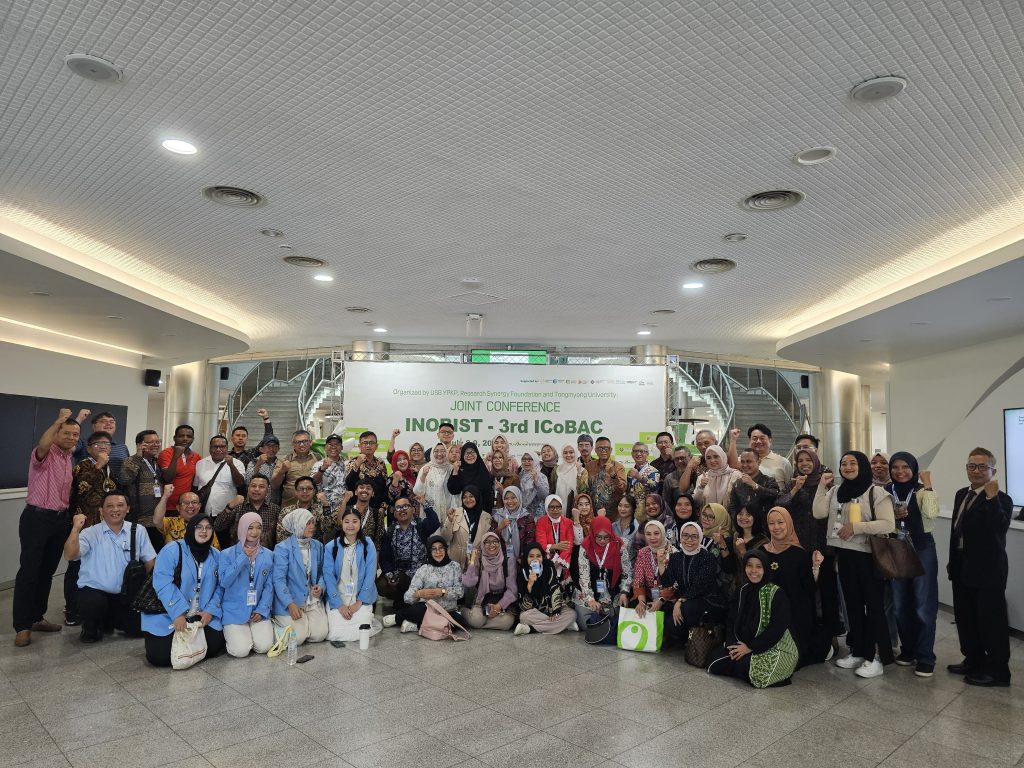
Day 2 of INOBIST–3rd ICoBAC: Strengthening Academic Collaboration and International Engagement
A Meaningful Journey of Academic Collaboration and International Engagement Continued in Busan!
Busan, Republic of Korea — The second day of the International Conference on Innovation in Business, Social Sciences, and Technology and the 3rd International Conference of Business Administration and Communication (INOBIST–3rd ICoBAC) continued onsite at Tongmyong University on Thursday, July 9, 2026.
Following the keynote sessions and academic presentations conducted on the first day, the Day 2 program focused on academic collaboration, institutional partnership development, international networking, professional exposure, and community engagement.
Faculty members, conference participants, and representatives of host and co-host institutions joined a series of activities designed to strengthen sustainable international cooperation.
Academic Sharing and Institutional Partnership Activities
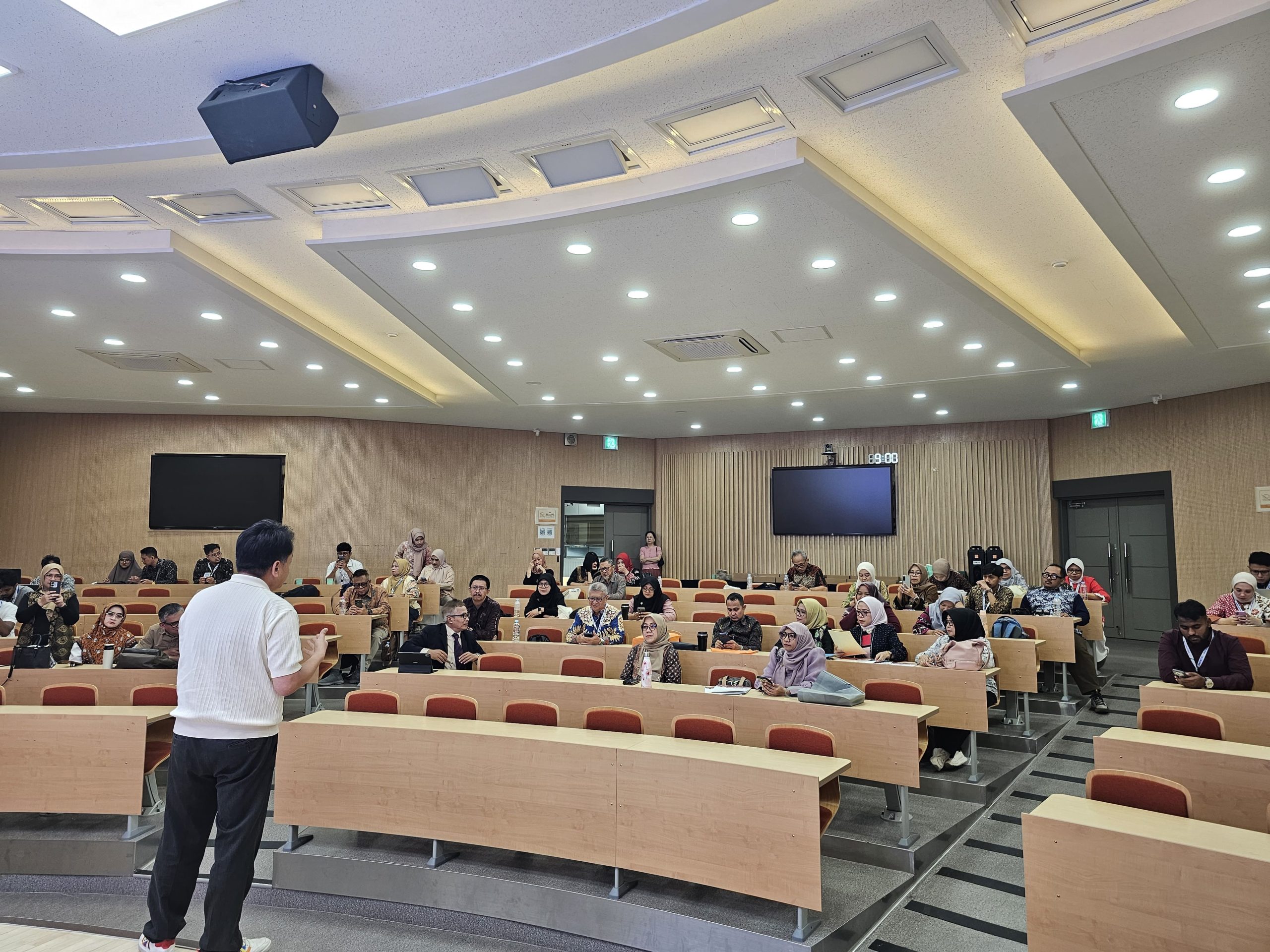
The session began with Prof. Ari Warokka, Ph.D., who introduced a range of potential collaborative programs designed to strengthen international academic engagement through research, education, and institutional partnerships. His presentation emphasized the importance of developing sustainable global collaborations that create mutual benefits for universities and their academic communities.
Next, Mr. Dennis Kim, Marketing Manager of the Office of International Affairs at Tongmyong University, presented an overview of the university's academic excellence, innovative learning environment, vibrant campus life, and career development opportunities. He also introduced Tongmyong University's international academic initiatives, including its dual-degree programs, as well as various partnership and training opportunities available for students and institutional partners.
The presentations continued with Prof. Kyungdaw Jay Kang, Vice Dean of the Office of International Affairs, who shared further insights into Tongmyong University's international collaboration initiatives. He highlighted the Intensive Summer and Winter Programs, which provide participants with industry-oriented learning experiences complemented by professional certification from the Korea International Trade Association (KITA). He also introduced collaboration opportunities with Tongmyong University and the Busan International Cooperation (BIC), including joint programs in education, research, faculty and student mobility, and other academic initiatives.
Following the presentations, an interactive discussion and Q&A session was held, allowing representatives from the host and co-host institutions to exchange ideas, discuss prospective collaborations, and explore opportunities for expanding long-term international partnerships.
Exploring Opportunities for Academic Collaboration
Faculty members of Tongmyong University, conference participants, and representatives of partner institutions participated in an academic sharing session focusing on potential areas of cooperation.
The discussion covered curriculum development, collaborative research, academic exchange, institutional partnerships, and other prospective joint academic initiatives.
Through this session, participating institutions were able to introduce their academic priorities, exchange perspectives, and identify areas of mutual interest. The activity also provided an important foundation for developing sustainable international partnerships beyond the conference.
Grand Networking Among International Participants
Following the academic sharing session, participants joined a lunch and grand networking program.
The networking activity created an informal environment where academics and institutional representatives could continue their discussions, expand their professional connections, and explore possible research and institutional cooperation.
The program strengthened relationships among participating universities and organizations while encouraging future collaboration in research, education, mobility programs, and other academic initiatives.
Conference Delegation Visits the Korea International Trade Association
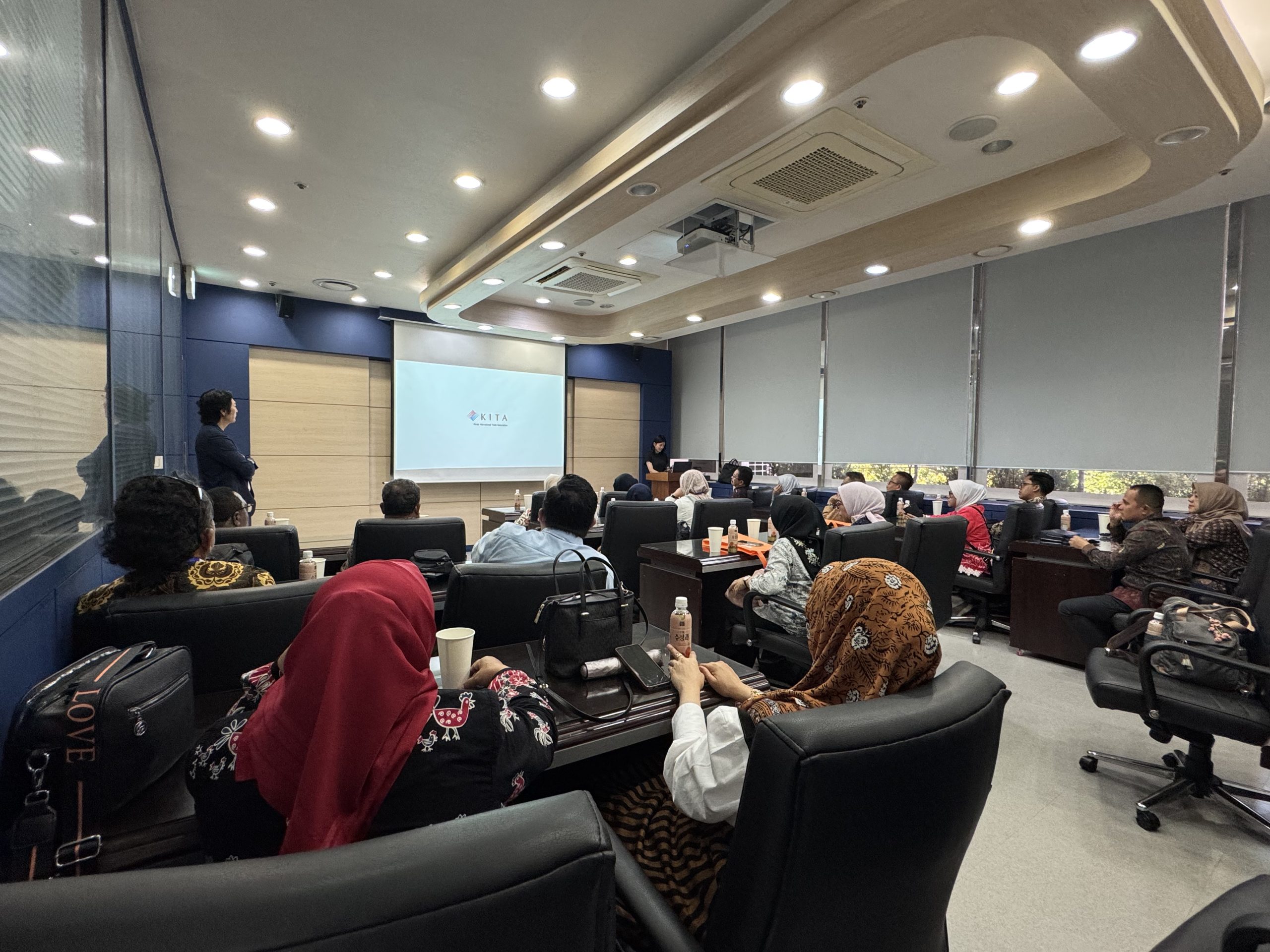
The afternoon program continued with an institutional visit to the Korea International Trade Association (KITA).
The afternoon program continued with an institutional visit to the Korea International Trade Association (KITA), where participants gained valuable insights into South Korea’s international trade ecosystem and global business initiatives.
During the visit, participants learned about trade promotion, export support, business networking, and opportunities for international collaboration. The activity was particularly relevant to participants working in international business, entrepreneurship, economic development, institutional cooperation, and global market engagement.
The visit enabled participants to connect academic discussions from the conference with broader institutional and professional practices related to international trade, commerce, and economic development. It further strengthened their understanding of global market dynamics and the important role of trade institutions in supporting businesses and expanding international economic cooperation.
Busan Port Authority Visit Highlights Trade and Logistics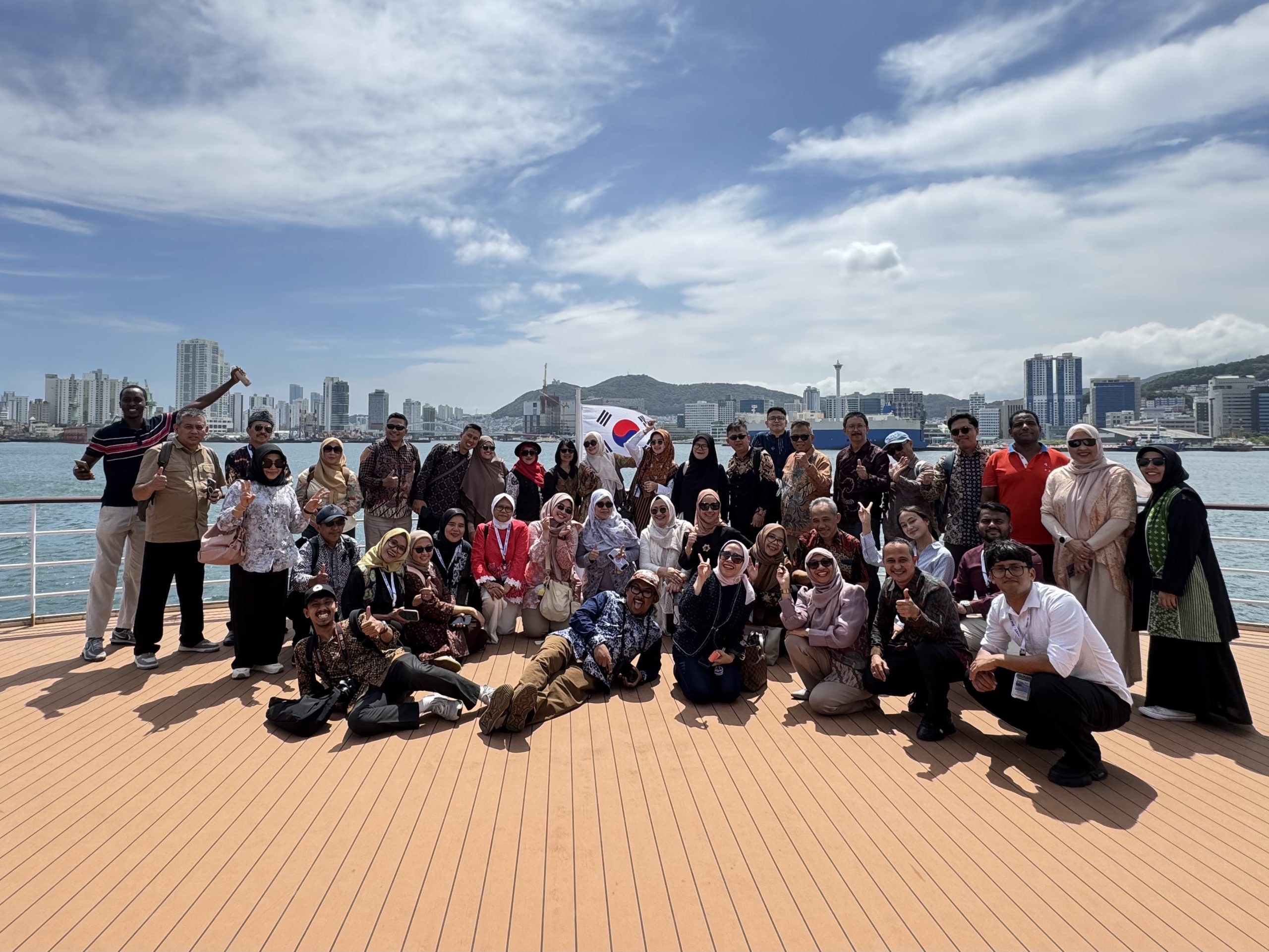
The conference delegation also visited the Busan Port Authority (BPA) as part of the institutional program, providing participants with direct exposure to the management, development, and sustainable transformation of one of South Korea’s most important port sectors.
The visit complemented the interdisciplinary scope of INOBIST–3rd ICoBAC, particularly in the areas of international trade, logistics, operations management, infrastructure, sustainability, business administration, and regional economic development.
Participants gained insights into port operations, maritime infrastructure, logistics management, and the strategic role of Busan Port in supporting regional and international trade. They also experienced a ride aboard Busan Port’s first electric vessel, highlighting South Korea’s commitment to sustainable maritime innovation, environmentally responsible port operations, and green transportation.
Through this visit, participants were able to connect academic knowledge with practical institutional and operational environments while gaining a broader understanding of how innovation and sustainability are being integrated into the development of the maritime and logistics sectors.
International Community Service and Cultural Engagement
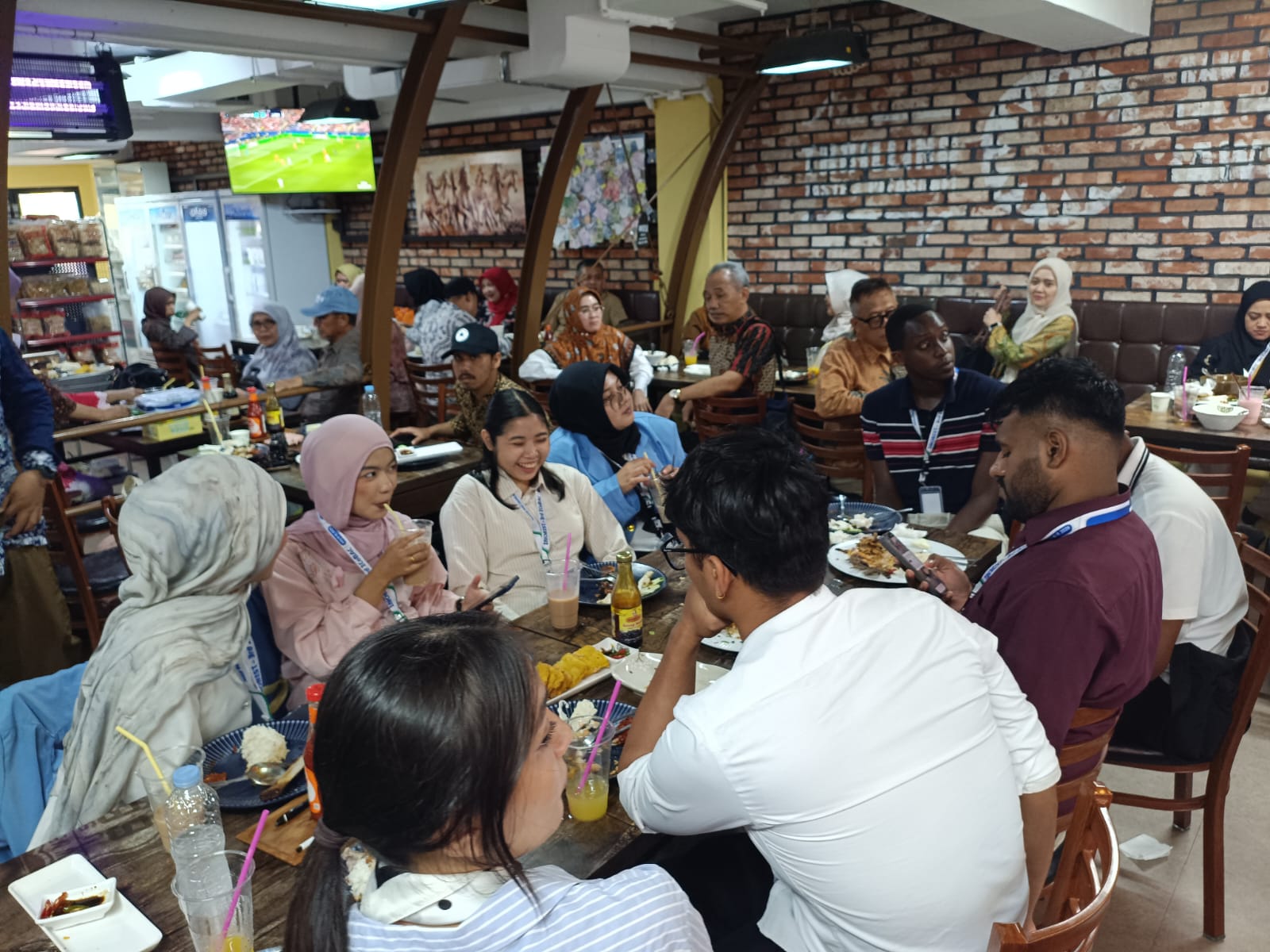
The final major agenda featured an International Community Service activity held at an Indonesian restaurant in Busan, followed by a networking dinner. The program was officially opened by Dr. Didin Saepudin, SE., M.Si., Rector of Universitas Sangga Buana, highlighting the university's commitment to strengthening international collaboration and community engagement.
The session continued with an inspiring discussion and sharing session led by Mrs. Suti Mardjuki, an Indonesian entrepreneur and representative of the Indonesian diaspora in Busan. As the owner of an Indonesian restaurant, she shared her experiences in promoting Indonesia's rich culinary heritage to the international community while building a supportive network for Indonesians living abroad. Her inspiring journey demonstrated how cultural identity, entrepreneurship, and community service can contribute to strengthening Indonesia's global presence.
The activity enriched the conference by strengthening its social and cultural dimensions, providing participants with opportunities to engage in meaningful dialogue, foster international friendships, and promote cross-cultural understanding among academics, professionals, and the Indonesian diaspora.
The program concluded with a formal closing session, marking the successful completion of the second-day conference activities.
Advancing Collaboration Beyond the Conference
The second day of INOBIST–3rd ICoBAC demonstrated that an international academic conference can extend beyond keynote speeches and research presentations.
By integrating academic sharing, institutional partnership activities, professional networking, organizational visits, and community engagement, the program encouraged participants to develop connections that may lead to joint research, curriculum development, academic mobility, institutional partnerships, and other international initiatives.
The organizing committee expressed its sincere appreciation to Tongmyong University, the host and co-host institutions, institutional partners, conference participants, and supporting organizations for their contributions to the successful completion of the Day 2 program in Busan.
The completion of the program marked another important step in strengthening the global academic ecosystem and fostering sustainable collaboration among scholars, universities, professional institutions, and international partners.
See You at the Next International Academic Agenda!
Conference Website:
https://usbypkp-conference.com/